Most safari injuries are small: a blister from new boots, a sunburned neck, a stomach that objects to the change in food and water. The best medical kit treats those everyday problems fast. It also covers rarer but serious risks, malaria chief among them, that come with time in Kenya’s bush camps. Touring Insights built this checklist around what camps, guides, and travel doctors actually recommend. It includes the real names, fees, and phone-ready facts you need before you fly.
Why a Safari Medical Kit Looks Different From a Normal Travel Kit
A city trip kit rarely needs antimalarials or rehydration salts. A Kenya safari does. Most classic circuits, including the Maasai Mara National Reserve, Amboseli National Park, and Tsavo East and West, sit below 1,800 meters in malaria-risk zones. Mosquito bite prevention and prophylaxis both matter here. Camps are often one to three hours from the nearest clinic by road. Radio or satellite contact stands in for a quick pharmacy run. Your kit has to cover the gap between “minor issue” and “the camp’s first aid box,” since most lodges stock basics but not personal prescriptions.
The Core Kit: What to Pack
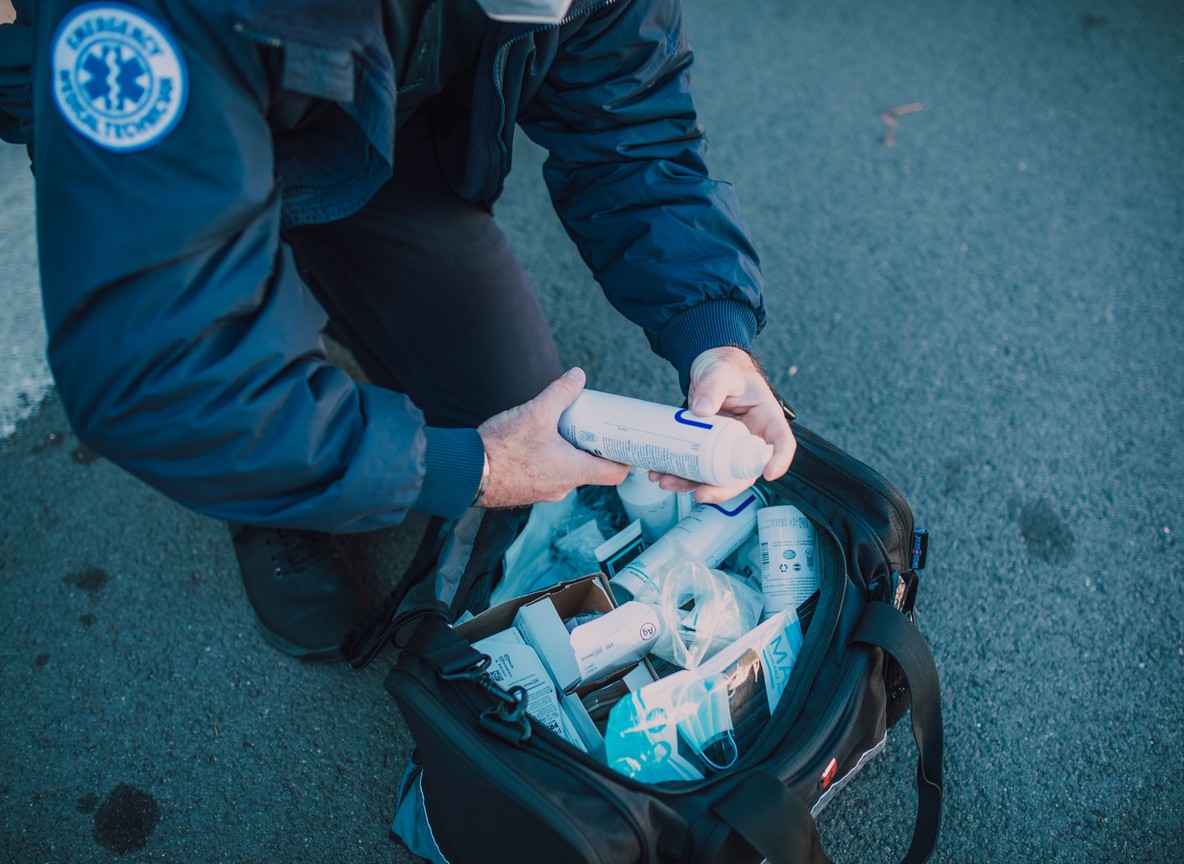
Build the kit in three layers: daily-use items, first aid for cuts and stings, and backup medication for common ailments. Keep everything in a labeled, waterproof pouch so camp staff can find it fast in an emergency.
| Category | Items | Why it matters |
|---|---|---|
| Bite and sun prevention | DEET or picaridin repellent (20%+), permethrin-treated clothing, SPF 30+ sunscreen, wide-brim hat | Malaria and tick-borne illness prevention, plus East African sun at altitude |
| Antimalarials | Prescribed prophylaxis (Malarone, doxycycline, or Lariam per your doctor) | Most safari regions are malaria-risk; start before departure per prescription |
| Stomach and rehydration | Oral rehydration salts, loperamide, a broad-spectrum antibiotic your doctor approves for travel | Diet and water changes cause most minor safari illness |
| Wound care | Adhesive bandages, gauze, antiseptic wipes, blister plasters, antibiotic ointment | Dust, thorn scratches, and new boots cause most physical injuries |
| Pain and allergy | Paracetamol, ibuprofen, antihistamine tablets, an EpiPen if you carry one at home | Headaches, muscle soreness, insect sting reactions |
| Personal essentials | Prescription medications (double supply, in original packaging), spare glasses, motion sickness tablets | Rough game-drive tracks and remote pharmacies make backups essential |
| Documentation | Yellow fever certificate, travel insurance card, evacuation membership card, copy of prescriptions | Required at some border crossings; needed fast in an evacuation |
Pack prescriptions in carry-on luggage, not checked bags. Connecting flights into bush airstrips sometimes lose luggage for a day or two.
Malaria: The One Risk Worth Extra Planning
Malaria prevention deserves its own line item. It is the most serious common risk on a Kenya safari. The Mara, Amboseli, Tsavo, Samburu, and the coast all carry year-round transmission risk. Nairobi and high-altitude areas like the Aberdare highlands and Mount Kenya’s upper slopes carry lower risk. Guides still recommend prophylaxis for any itinerary that dips into lowland parks. Talk to a travel clinic four to six weeks before departure, since some antimalarials need a lead-in period. For the full regimen comparison, see our malaria prophylaxis guide for Kenya safaris.
Bite prevention works alongside medication, not instead of it. Mosquitoes carrying malaria bite most between dusk and dawn. Long sleeves, repellent, and a bed net matter most at camp in the evening, not just on game drives.
Water, Food, and the Stomach Bug Nobody Plans For
Most camps and lodges serve treated or bottled water. Even so, the change in diet, water source, and travel fatigue still causes stomach upset for many first-time safari visitors. Pack oral rehydration salts and an anti-diarrheal. Ask your travel doctor about a short-course antibiotic for travelers’ diarrhea if symptoms do not clear in a day. Avoid ice in drinks at smaller roadside stops. Stick to bottled or camp-filtered water, even for brushing teeth, if your stomach runs sensitive.
Sun, Dust, and Altitude: The Everyday Discomforts
Kenya sits on the equator, so UV exposure is strong even on overcast days. Open safari vehicles offer little shade during midday drives. Sunburn and dehydration are the two most common minor complaints camps report. Dust on unpaved park roads also irritates eyes and airways, particularly during the dry season from June through October. Pack sunglasses, a buff or scarf for dust, and rehydration salts even if you feel fine. Altitude in areas like Nairobi (about 1,795 meters) and the Mara plateau (roughly 1,500 to 1,850 meters) can add mild fatigue that dehydration makes worse.
Where to Get Help: Hospitals and Evacuation Services
Camps in remote areas rely on radio contact and pre-arranged evacuation partners rather than a nearby emergency room. Know the real names and rough logistics before you go, not after something happens.
| Resource | Detail |
|---|---|
| AMREF Flying Doctors | Air ambulance and evacuation membership service based at Wilson Airport, Nairobi; short-term visitor membership indicative range $30-60, confirm current rate |
| Aga Khan University Hospital, Nairobi | Major private referral hospital with trauma and evacuation-receiving capability |
| The Nairobi Hospital | Major private referral hospital, frequent evacuation destination from bush camps |
| Wilson Airport | Nairobi’s light-aircraft hub; most medical evacuation flights land and depart here |
| Typical camp-to-clinic drive time | 1-3 hours on unpaved roads, longer in the rains; varies sharply by camp location |
| Comprehensive travel insurance with evacuation cover | Indicative $50-150 per person per trip depending on trip length and age, confirm with provider |
Buy evacuation coverage specifically, not just standard trip insurance. Many general travel policies exclude air ambulance transport, which can run into five figures without cover. Our safari travel insurance guide breaks down what to check before you buy.
Vaccinations and Pre-Trip Health Prep
Kenya requires proof of yellow fever vaccination for travelers arriving from countries with risk of yellow fever transmission. Check current requirements with your embassy or a travel clinic, since rules shift. Routine vaccinations (MMR, tetanus, hepatitis A and B, typhoid) are commonly recommended for safari travel. A travel clinic visit six weeks out gives boosters time to take effect. Bring your vaccination card or International Certificate of Vaccination alongside your passport, since some border points and camps ask to see it. Our full Kenya safari health guide covers vaccination timing in more depth.
A Simple Packing Timeline
Spreading kit prep over several weeks avoids a last-minute pharmacy scramble.
| Timing before departure | Task |
|---|---|
| 6 weeks | Travel clinic visit, start antimalarial lead-in if required, check yellow fever status |
| 4 weeks | Confirm evacuation membership or insurance, order prescription refills |
| 2 weeks | Assemble the kit, check expiry dates on all medications |
| 3 days | Pack prescriptions in carry-on, print insurance and evacuation contact cards |
| Departure day | Confirm repellent, sunscreen, and rehydration salts are in your day bag, not checked luggage |
Explorer Notes
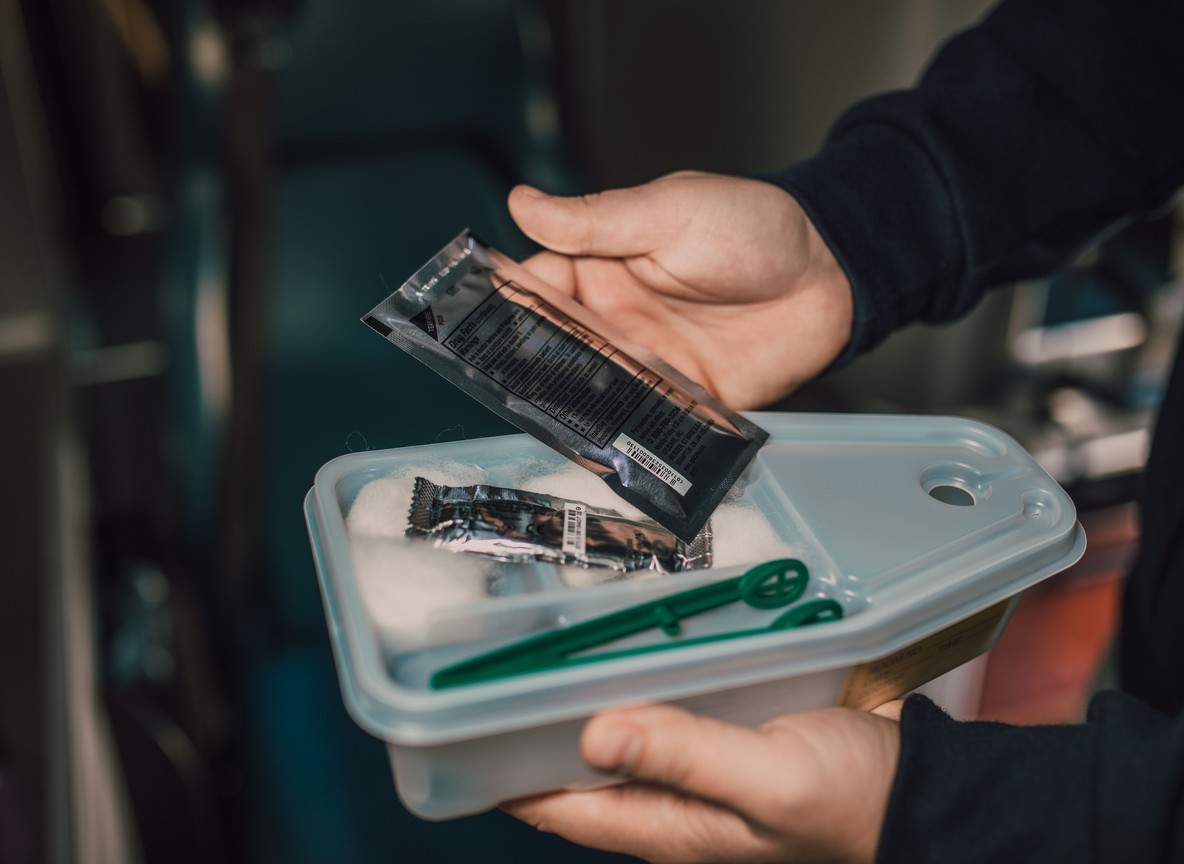
Guides who run remote circuits in Samburu and Tsavo say guests forget two items most often: spare glasses and a full course of their regular prescriptions. Camps stock a basic first aid box, painkillers, and antiseptic. They rarely carry a matching brand or dose of a guest’s personal medication. Ask your camp manager on arrival where their first aid kit and satellite phone are kept. Confirm which hospital they evacuate to by default. Most seasoned camp staff also recommend a small tube of hydrocortisone cream for insect bite reactions. It treats itching better than antihistamine tablets alone on a multi-day itinerary.
What to Read Next
- Building the rest of your bag? See our Kenya safari packing list for 2026.
- Choosing coverage levels? Read our safari travel insurance guide.
- Wondering about overall safety? Check is Kenya safe to visit.
FAQ
Do I need malaria pills for a Kenya safari? Most classic safari areas, including the Maasai Mara, Amboseli, and Tsavo, carry year-round malaria risk, so prophylaxis is commonly recommended. Confirm the right regimen with a travel doctor four to six weeks before departure.
What should be in a basic safari first aid kit? Pack bite and sun prevention, prescribed antimalarials, rehydration salts, wound care basics, and pain and allergy medication. Add copies of your prescriptions and insurance documents.
Do camps in Kenya have first aid on site? Most camps carry a basic first aid box and know their nearest evacuation partner. They rarely stock personal prescription medication, so bring your own full supply.
How does medical evacuation work on a Kenya safari? Camps radio or call a partner service, commonly AMREF Flying Doctors. It flies patients from bush airstrips to Nairobi hospitals like Aga Khan University Hospital or The Nairobi Hospital. Evacuation-specific insurance covers the flight cost.
Do I need a yellow fever certificate for Kenya? Kenya requires proof of yellow fever vaccination for travelers arriving from at-risk countries. Check current rules with your embassy or a travel clinic before you fly, since requirements can change.
Packing the kit is half the plan. Confirm your camp’s evacuation partner and nearest clinic before you land. Keep your documentation where you can reach it fast. Visit our Tour Packages page to compare camps with strong on-site medical readiness, or ask a partner operator directly about their evacuation arrangements before you book.